Żywność · Etiopia · Coffee Resurrect, Inc.
Coffee Resurrect: Dieses Startup macht aus Kaffeemüll wertvolle Rohstoffe
An Ethiopian startup collects used coffee grounds and silverskin from cafés, restaurants and airports, then extracts oil, fiber and flour from them to sell as B2B ingredients to the cosmetics, food and nutraceutical industries.
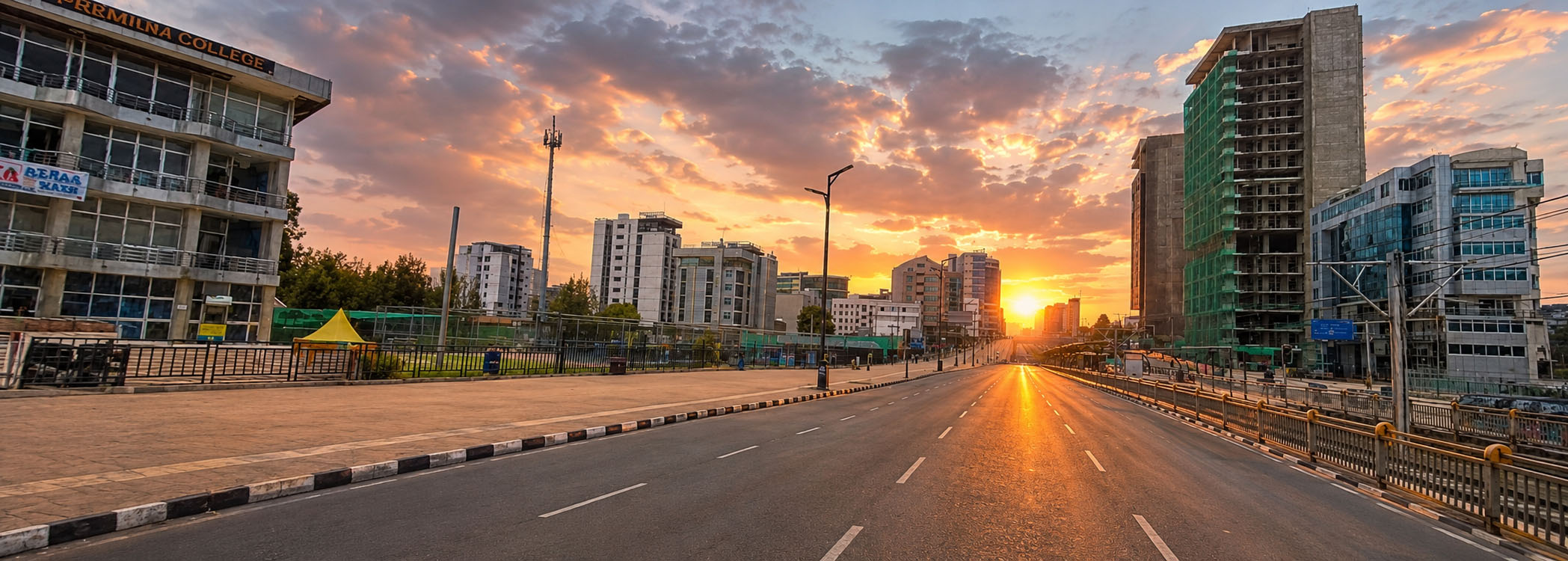
On the way to the headquarters in Addis Ababa.
For years, Almaw Molla watched coffee grounds pile up on landfills in Addis Ababa, a city obsessed with coffee in a country that is both the drink's birthplace and Africa's largest producer. In 2020 he started asking a different question than most people do about waste: not 'how do we recycle this?' but 'how do we break it down into valuable components?' Together with co-founder Seblegenet Aklilu, who brought a chemistry and quality-control background, he built Coffee Resurrect around a near-zero-cost raw material — spent coffee grounds and silverskin that businesses are otherwise paying to throw away. Using extraction methods including supercritical CO2, the company processes this waste into three flagship ingredients: CROIL, a coffee oil rich in linoleic acid, polyphenols and tocopherols aimed at cosmetics and skincare; CRFIBER, a coffee fiber for personal care products that helped the company win runner-up at the 2022 Sustainable Beauty Awards; and CRFLOUR, a coffee flour pitched at bakeries, snack bars and functional foods. The real logistical challenge isn't the chemistry — it's collecting a wet, heavy, perishable, geographically scattered waste stream cheaply enough, which is why the company has focused on dense urban markets and struck a raw-material collection deal with a 300-branch South African restaurant chain rather than chasing individual households. Molla has also described a 70/30 model in the food segment, where 70% of output is commercialized and 30% flows back to farmers, local markets and community education, though this remains an unverified company claim rather than an audited impact metric. Years after founding, Coffee Resurrect is still small-scale and R&D-heavy, working toward a seed round according to Carta, but it has picked up a steady string of recognitions — from Entrepreneurship World Cup Top 100 (2021) to Global Startup Awards Best GreenTech (2023-24) to being named a Hello Tomorrow Deep Tech Pioneer among 4,800 applicants in 2026 — plus coverage from CNN Inside Africa, suggesting it's a genuine, ongoing biotech venture rather than a one-off feel-good headline.
Kluczowe fakty
- Founded in 2021 in Addis Ababa, Ethiopia, by Almaw Molla and Seblegenet Aklilu.
- Collects spent coffee grounds and silverskin from cafés, restaurants, canteens and airports.
- Produces three main B2B ingredients: CROIL (coffee oil), CRFIBER (coffee fiber) and CRFLOUR (coffee flour).
- Targets cosmetics, personal care, pharma, sun care and food/nutraceutical industries as B2B customers rather than selling finished consumer products.
- Uses supercritical CO2 extraction technology, positioning itself as a 'coffee biorefinery' rather than a recycling company.
- Signed a raw-material collection agreement with a 300-branch South African restaurant group to centralize supply.
- Describes a 70/30 model where roughly 70% of food-segment output is commercial and 30% is redirected to farmers, local markets and community/education programs (unverified company claim).
- Won Sustainable Beauty Awards runner-up (2022), Global Startup Awards Best GreenTech Africa (2023) and Global Finalist (2024), and was named a Hello Tomorrow Deep Tech Pioneer among 4,800 applicants from 108 countries (2026).
- Featured by CNN Inside Africa alongside another Ethiopian environmental venture.
- According to Carta, the company has been working toward a seed funding round, with no publicly confirmed funding amount, while planning expansion into Kenya and South Africa.
Analiza pogłębiona
Coffee Resurrect to etiopska firma, która przetwarza zużytą kawową fusię oraz łuskę srebrną kawy — rzeczy zwykle trafiające do kosza — w cenne surowce. Założyciel Almaw Molla przez lata obserwował, że odpady kawowe po prostu lądują na wysypiskach, mimo że Etiopia jest kolebką kawy i największym producentem kawy w Afryce. Zamiast tworzyć z fusów kawowych gadżety pamiątkowe, firma zbudowała coś, co nazywa „biorafinerią kawową”: zbiera zużyte fusy za darmo lub za niewielką opłatą z kawiarni, restauracji, stołówek i lotnisk, a następnie przetwarza je za pomocą technologii ekstrakcji (w tym nadkrytycznego CO2) na trzy główne składniki — olej (CROIL) do kosmetyków i pielęgnacji skóry, włókno (CRFIBER) również do produktów pielęgnacyjnych oraz mąkę (CRFLOUR) do wypieków i odżywek sportowych. Produkty te sprzedawane są w modelu business-to-business firmom kosmetycznym, spożywczym i farmaceutycznym, a nie bezpośrednio konsumentom końcowym. Kluczowa obserwacja: tani, powszechnie dostępny odpad można rozbić na kilka składników o wyższej wartości, zamiast przetwarzać go na jeden produkt o niskiej wartości. Firma ma realne produkty, nagrodę branży kosmetycznej (drugie miejsce w Sustainable Beauty Awards 2022), kilka zwycięstw w konkursach dla startupów, relacje w CNN, a w 2026 roku wciąż była na tyle aktywna, by zostać uznana za Hello Tomorrow Deep Tech Pioneer spośród tysięcy zgłoszeń. Firma współpracuje z Cartą przy przygotowaniach do rundy finansowania seed, prowadziła też rozmowy dotyczące umowy na odbiór odpadów z południowoafrykańską siecią restauracji liczącą 300 lokalizacji, a także planuje ekspansję do Kenii i RPA. Brak publicznie potwierdzonej kwoty finansowania. Model biznesowy to nie zwykły recykling — plasuje się gdzieś pomiędzy gospodarką odpadami a specjalistyczną biotechnologią/chemią, co czyni go bardziej skalowalnym i trudniejszym do skopiowania niż typowa historia „ze śmieci w produkt”. Największym wyzwaniem operacyjnym jest logistyka: fusy kawowe są mokre, ciężkie, łatwo się psują i są rozproszone po wielu małych lokalizacjach, więc model opiera się na współpracy z dużymi grupami (sieciami, grupami hotelowymi), a nie na zbieraniu odpadów od pojedynczych gospodarstw domowych. To autentyczny, wieloletni dowód na to, że z pomijanego strumienia odpadów można zbudować prawdziwą firmę deep-tech — choć wciąż jest to biznes na wczesnym etapie, poszukujący kapitału na skalowanie, a kilka krążących w sieci danych o środowiskowym koszcie odpadów kawowych pozostaje przez nas niezweryfikowanych.
Historia założyciela
Pomysł narodził się z wieloletniej obserwacji Almawa Molli, że fusy kawowe są po prostu wyrzucane i lądują na wysypiskach, w połączeniu z jego osobistym związkiem z branżą kawową za sprawą rodzinnej firmy zajmującej się eksportem kawy.
Trigger: Konkretny pomysł na wykorzystanie kawy poza samym napojem ukształtował się w 2020 roku, według relacji samej firmy.
Problem
6/10
Kawiarnie, restauracje, stołówki, lotniska oraz zakłady przetwórstwa kawy generują ogromne ilości odpadów kawowych — zużytych fusów, łuski srebrnej, miąższu i łusek — które zazwyczaj są wyrzucane zamiast ponownie wykorzystywane, mimo że wciąż zawierają cenne związki (oleje, włókna, przeciwutleniacze, minerały).
Rozwiązanie
7/10
Coffee Resurrect zbiera zużyte fusy kawowe i łuskę srebrną z kawiarni, restauracji, stołówek i lotnisk, a następnie przetwarza te odpady za pomocą technologii suszenia i ekstrakcji (w tym nadkrytycznego CO2), rozkładając je na odrębne składniki o wyższej wartości: CROIL (olej kawowy zawierający kwas linolowy, kwas palmitynowy, polifenole, tokoferole i estry diterpenowe), CRFIBER (włókno kawowe) oraz CRFLOUR (mąkę/włókno na bazie kawy o właściwościach antyoksydacyjnych i wysokiej zawartości minerałów). Są one sprzedawane jako składniki B2B firmom kosmetycznym, zajmującym się pielęgnacją, farmaceutycznym oraz spożywczym/nutraceutycznym, a nie jako gotowe produkty dla konsumentów.
Gotowość klientów do zapłaty
6/10
Te branże cenią zrównoważone, wyróżniające się składniki (co potwierdza drugie miejsce CROIL i CRFIBER w Sustainable Beauty Awards 2022 w kategorii „Zrównoważony składnik”), a same składniki oferują konkretne właściwości funkcjonalne (oleje z polifenolami/tokoferolami do pielęgnacji skóry i przeciwstarzeniowe, włókna do produktów pielęgnacyjnych, mąka z przeciwutleniaczami i minerałami do żywności i odżywek sportowych), które mogą wyróżnić produkty końcowe klientów. (Cykliczne (kontrakty B2B na dostawy składników, np. opisana umowa na odbiór/pozyskiwanie surowca z południowoafrykańską siecią restauracji liczącą 300 lokalizacji))
Konkurencja
3/10
Wejście na rynek wydaje się umiarkowanie do bardzo trudnego dla poważnego konkurenta, zgodnie z materiałem źródłowym: wymaga (1) niezawodnego, skoncentrowanego dostępu do zużytych fusów kawowych poprzez partnerstwa z kawiarniami, restauracjami, hotelami, lotniskami lub dużymi sieciami (źródło podaje jako kluczowy czynnik umowę z południowoafrykańską siecią restauracji liczącą 300 lokalizacji), (2) logistyki dla mokrego, ciężkiego, nietrwałego i rozproszonego przestrzennie surowca, (3) technologii ekstrakcji, takiej jak ekstrakcja nadkrytycznym CO2, oraz (4) certyfikacji i kontroli jakości niezbędnej do sprzedaży na regulowane rynki kosmetyczne, farmaceutyczne i spożywcze. Te łączne bariery operacyjne i technologiczne sprawiają, że prosta imitacja jest trudniejsza niż mogłoby się wydawać, mimo że sam surowiec jest tani.
Wielkość rynku
5/10
Materiał źródłowy dostarcza mocnych jakościowych sygnałów co do wielkości rynku (obfity surowiec, wiele branż jako odbiorców, międzynarodowe nagrody i zainteresowanie ze strony programów Deep Tech Pioneer), lecz nie podaje skwantyfikowanych danych o wielkości rynku, przychodach czy TAM. Poniższa ocena to szacunek oparty na szerokości docelowych branż (kosmetyka, żywność, farmacja, pielęgnacja) oraz potwierdzonej obfitości surowca, a nie na ujawnionych danych finansowych.
Model biznesowy
Sprzedaż wytwórcza/jednorazowa składników B2B: CROIL (olej kawowy), CRFIBER (włókno kawowe) i CRFLOUR (mąka kawowa) sprzedawane producentom kosmetyków, produktów do pielęgnacji osobistej, farmaceutyków i żywności, Nie wynika to z materiału źródłowego: licencjonowanie technologii ekstrakcji, Nie wynika to z materiału źródłowego: model marketplace, Nie wynika to z materiału źródłowego: model subskrypcyjny, Nie wynika to z materiału źródłowego: przychody z reklam, Nie wynika to z materiału źródłowego: przychody z doradztwa, Nie wynika to z materiału źródłowego: model franczyzowy, Nie wynika to z materiału źródłowego: przychody prowizyjne -- Nie wynika to z materiału źródłowego. Nie ujawniono żadnych danych dotyczących marży zysku, cen ani ekonomiki jednostkowej. Źródło jedynie zaznacza koncepcyjnie, że surowiec (zużyte fusy kawowe) można pozyskać bardzo tanio lub za darmo, natomiast koszty dalsze (zbiórka, transport, suszenie, magazynowanie, sortowanie, ekstrakcja, energia, maszyny, kontrola jakości, prace laboratoryjne, certyfikacja, pakowanie, dystrybucja) sumują się w kolejnych etapach.
Ochrona przed kopiowaniem (Moat)
5/10
W materiałach źródłowych nie wspomina się o żadnych patentach, a sam pomysł (przekształcanie fusów kawowych w olej, włókno i mąkę) jest koncepcyjnie na tyle prosty, że inni mogliby podjąć podobną próbę. Mimo to fosa nie jest zerowa: zbudowanie niezawodnych, tanich relacji na odbiór surowca z setkami punktów gastronomicznych, opanowanie procesów ekstrakcji oraz zdobycie wiarygodności dzięki międzynarodowym nagrodom - wszystko to wymaga realnego czasu i trudno to szybko i tanio skopiować. Daje to Coffee Resurrect umiarkowaną fosę opartą na sprawności wykonania, a nie silną barierę prawną czy technologiczną.
Skalowalność
Ukryty czas rozwoju
1-3 lata -- Coffee Resurrect nie jest czystym projektem software'owym, który można napisać w garażu z dnia na dzień. Wymaga zbudowania fizycznej sieci logistycznej do odbioru surowca od kawiarni i restauracji, infrastruktury do suszenia i ekstrakcji (w tym technologii ekstrakcji nadkrytycznym CO2), laboratoryjnej kontroli jakości oraz certyfikacji, zanim jakikolwiek wiarygodny składnik B2B trafi na rynek. Materiały źródłowe pokazują, że firma przeszła od wstępnego pomysłu (2020 r.) do produkcji na małą skalę i prac badawczo-rozwojowych w ciągu mniej więcej 1-2 lat, zanim w latach 2021-2022 zaczęła zdobywać nagrody branżowe, a jeszcze kilka lat później wciąż jest określana jako wczesna spółka deep-tech. Więksi konkurenci (biotechnologiczne firmy przetwarzające odpady rolnicze, duzi dostawcy składników kosmetycznych) prawdopodobnie zaczęliby ją zauważać wraz z nagrodami czy rozgłosem medialnym (np. Sustainable Beauty Award w 2022 r. czy relacja CNN), więc realny czas działania w ukryciu ogranicza się mniej więcej do pierwszych 1-3 lat cichych prac badawczych i pilotażowych umów na odbiór surowca.
Wymagane umiejętności założyciela
Czas do pierwszego przychodu
1-2 lata
Czas do rentowności
Nie wynika z materiałów źródłowych.
Czy można to zacząć na pół etatu?
Perspektywy na przyszłość
Coffee Resurrect znajduje się na przecięciu dwóch trwałych megatrendów: gospodarki cyrkularnej / waloryzacji odpadów oraz zrównoważonego pozyskiwania surowców dla kosmetyki, żywności i nutraceutyków. Materiały źródłowe pokazują ciągłą, wieloletnią aktywność firmy (założona w 2021 roku, wciąż działa i w 2026 roku została uznana za Hello Tomorrow Deep Tech Pioneer), zdobyła szereg branżowych nagród, a dostęp do surowca (zużyte fusy kawowe, łuska srebrzysta) będzie istniał tak długo, jak ludzie będą pić kawę. Głównym ryzykiem technologicznym jest to, że kluczowy proces opiera się na kapitałochłonnej technologii ekstrakcji (nadkrytyczne CO2) oraz na wybudowaniu wiarygodnej, niskokosztowej logistyki dla łatwo psującego się i rozproszonego przestrzennie strumienia odpadów – to ryzyko związane bardziej z realizacją niż z popytem rynkowym.
Ryzyko związane ze sztuczną inteligencją
Fizyczny rdzeń biznesu – zbieranie zużytych fusów kawowych z kawiarni i restauracji, suszenie, transport oraz ekstrakcja oleju, błonnika i mąki metodami biotechnologicznymi/CO2 – nie może zostać zastąpiony przez AI, ponieważ zależy od fizycznej logistyki, chemii i sprzętu. Firma mogłaby wdrożyć optymalizację trasy zbiórki odpadów wspieraną przez AI (redukując koszty logistyczne wskazane w materiałach jako główne wyzwanie), wykorzystać badania i rozwój wspierane uczeniem maszynowym do identyfikacji dodatkowych wartościowych związków w produktach pobocznych kawy oraz zastosować zautomatyzowane narzędzia kontroli jakości i analizy laboratoryjnej, by przyspieszyć certyfikację i skalowanie dla nowych klientów B2B.
Podobne firmy na świecie
Biobean · Wielka Brytania
Pokazuje, że logistyka zbiórki zużytych fusów kawowych z wielu małych punktów jest powtarzającym się wyzwaniem operacyjnym wśród firm realizujących ten model biznesowy, co potwierdza ryzyko logistyczne odnotowane w przypadku Coffee Resurrect.
Kaffeeform · Niemcy
Ukazuje alternatywną ścieżkę komercyjną (produkty konsumenckie gotowe do użycia) dla odpadów kawowych, w przeciwieństwie do ścieżki wybranej przez Coffee Resurrect, polegającej na dostarczaniu przetworzonych surowców do innych branż – co świadczy, że wokół tego samego surowca może istnieć wiele różnych, opłacalnych modeli biznesow
Analiza SWOT
Mocne strony
- - Firma dysponuje realnymi, nazwanymi produktami (CROIL, CRFIBER, CRFLOUR), a nie jedynie koncepcją — to działający, wieloletni dowód słuszności koncepcji.
- - Model B2B, sprzedaż do firm kosmetycznych, farmaceutycznych i spożywczych, oznacza wyższe marże niż w przypadku prostego recyklingu czy gadżetowych pamiątek.
- - Zewnętrzna walidacja: druga nagroda w Sustainable Beauty Awards w 2022 roku, liczne wygrane w konkursach dla startupów, obecność w CNN oraz wybór do programu Hello Tomorrow Deep Tech Pioneer z tysięcy zgłoszeń.
- - Zastosowanie podejścia „biorafinerii”, które z jednego, niedrogiego strumienia odpadów pozwala uzyskać trzy odrębne, wartościowsze surowce, co zwiększa potencjał przychodowy na jednostkę surowca.
- - Surowiec (zużyta kawa i łuska srebrzysta) jest zdobywany bezpłatnie lub bardzo tanio, co utrzymuje niskie koszty wsadu.
- - Założyciel ma bezpośredni, wieloletni wgląd w problem, działając z Etiopii — kolebki kawy i największego producenta na kontynencie afrykańskim, co zapewnia bliskość obfitego surowca.
- - Firma sytuuje się na granicy zarządzania odpadami oraz specjalistycznej biotechnologii/chemii, co według materiału źródłowego znacznie trudniej skopiować niż typowy biznes „ze śmieci na produkt”.
Słabe strony
- - To wciąż biznes na wczesnym etapie, poszukujący kapitału na skalowanie; w materiale źródłowym nie potwierdzono żadnej publicznej kwoty finansowania.
- - Głównym wyzwaniem operacyjnym jest logistyka — fusy kawowe są mokre, ciężkie, łatwo się psują i rozproszone po wielu małych lokalizacjach, co komplikuje ich zbiórkę.
- - Model biznesowy zależy od zabezpieczenia partnerstw z dużymi grupami (sieciami, grupami hotelowymi, lotniskami), a nie od skalowania przez pojedyncze gospodarstwa domowe czy kawiarnie.
- - Niektóre krążące w sieci dane na temat wpływu środowiskowego odpadów kawowych zostały w materiale wyraźnie oznaczone jako niezweryfikowane.
- - W materiale nie znajdziemy informacji o wielkości zespołu, personelu technicznym czy głębokości struktury organizacyjnej poza samym założycielem.
- - W materiale nie ma danych o ekonomice jednostkowej, marżach, zdolnościach produkcyjnych czy wielkości przychodów.
Szanse
- - Prowadzone rozmowy dotyczące umowy o zbiórce z południowoafrykańską siecią restauracji liczącą 300 lokalizacji, co po sfinalizowaniu mogłoby być istotnym czynnikiem umożliwiającym skalowanie.
- - Planowana ekspansja do Kenii i Republiki Południowej Afryki — obu dużych rynków, produkujących lub konsumujących znaczące ilości kawy.
- - Współpraca z Carta w przygotowaniach do rundy finansowania seed, co sugeruje ścieżkę do kapitału instytucjonalnego.
- - Rosnący globalny popyt na zrównoważone, „upcyklingowe” i „czyste” składniki w kosmetyce, produktach do higieny osobistej oraz w przemyśle spożywczym i nutraceutycznym.
- - Uznanie w ramach programów takich jak Hello Tomorrow może otworzyć drzwi do inwestorów deep-tech, partnerstw korporacyjnych i grantów.
- - Pozycja Etiopii jako największego producenta kawy w Afryce zapewnia dużą, geograficznie skoncentrowaną bazę surowcową dla dalszego rozwoju.
Zagrożenia
- - Dobrze skapitalizowany konkurent mógłby powielić technologię ekstrakcji oraz partnerstwa łańcuchowe po udowodnieniu skuteczności modelu, ponieważ sam surowiec nie jest objęty ochroną własności.
- - Sprzedaż na regulowane rynki kosmetyczne, farmaceutyczne i spożywcze wymaga certyfikacji i kontroli jakości, co może zwolnić rozwój lub narazić firmę na ryzyko związane z niezgodnością z przepisami.
- - Koszty logistyczne obsługi mokrego, ciężkiego i łatwo psującego się materiału w dużej skali mogą zniweczyć przewagę kosztową wynikającą z „darmowego” surowca.
- - Silna zależność od dużych partnerów organizacyjnych (sieci, grup hotelowych) oznacza, że utrata kluczowego partnerstwa może istotnie zakłócić dostawy surowca.
- - Krążące, lecz niezweryfikowane twierdzenia o wpływie środowiskowym odpadów kawowych mogą stanowić ryzyko wizerunkowe lub podważyć wiarygodność firmy, jeśli zostaną poddane szczegółowej analizie.
- - Jako firma na wczesnym etapie bez potwierdzonego finansowania, ryzyko związane z realizacją strategii jest wysokie; niepowodzenie w zamknięciu rundy seed mogłoby zatrzymać plany ekspansji.
Ostateczna ocena AI
Potencjał biznesowy
7/10
Firma wyszła poza fazę koncepcji — sprzedaje realne produkty w modelu B2B, ma uznanie branżowe i autentyczną, wieloletnią historię działania. Model biorafinerii dający trzy strumienie przychodów z jednego wsadu odpadowego to solidniejsza logika biznesowa niż w typowych startupach „upcyklingowych nowinek” ze śmieci. Skala działania nie jest jeszcze udowodniona, co nie pozwala na wyższą ocenę.
Atrakcyjność inwestycyjna
6/10
Nagrody, obecność w CNN, wygrane konkursy oraz wybór do programu Hello Tomorrow Deep Tech Pioneer to silne sygnały, że zewnętrzni obserwatorzy widzą potencjał. Firma aktywnie przygotowuje rundę seed wraz z Carta. Jednak brak potwierdzonej kwoty finansowania, a przedsięwzięcia typu deep-tech/biorafineria zwykle wymagają znacznego kapitału i czasu przed osiągnięciem zwrotu, co ogranicza atrakcyjność dla inwestorów szukających szybszych lub obarczonych mniejszym ryzykiem wyjść z inwestycji.
Przyjazność dla początkujących
3/10
To nie jest biznes łatwy do powielenia dla początkujących. Wymaga dostępu do technologii ekstrakcji (w tym ekstrakcji z użyciem nadkrytycznego CO2), relacji z dużymi partnerami instytucjonalnymi zapewniającymi stabilne dostawy odpadów, zarządzania logistyką łatwo psującego się materiału oraz zdolności spełnienia norm certyfikacyjnych dla branż kosmetycznej, farmaceutycznej i spożywczej. Osoba bez wiedzy technicznej lub branżowej napotkałaby duże bariery wejścia.
Innowacyjność
8/10
Zamiast tworzyć jeden produkt niskiej wartości z odpadów kawowych (podejście powszechne), firma stosuje model biorafinerii, wydzielając wiele odrębnych, wartościowszych składników (olej, błonnik, mąkę) dla różnych branż. W połączeniu z technologią ekstrakcji nadkrytycznym CO2 to podejście rzeczywiście bardziej zaawansowane i innowacyjne niż typowe koncepcje „recyklingu fusów kawowych”.
Skalowalność
6/10
Model B2B oparty na składnikach oraz plany ekspansji do Kenii i Republiki Południowej Afryki wskazują na realny potencjał skalowania, zwłaszcza że partnerstwa z dużymi sieciami (jak umowa z siecią 300 restauracji) mogą zapewnić skoncentrowane wolumeny surowca. Jednak ograniczenia logistyczne związane z mokrym, ciężkim i łatwo psującym się materiałem rozproszonym po wielu małych lokalizacjach ograniczają tempo i koszt rozwoju, co utrzymuje ocenę na poziomie umiarkowanym, nie wysokim.
Długoterminowa szansa
7/10
Odpady kawowe to duży i stale odnawiający się zasób, szczególnie w kraju będącym głównym producentem kawy, takim jak Etiopia, a popyt na zrównoważone składniki w kosmetyce i żywności to trwały trend. Plany ekspansji firmy oraz uznanie branżowe wskazują na wiarygodną długoterminową trajektorię, choć firma wciąż musi udowodnić zdolność do skalowania operacji i zabezpieczenia stałego finansowania.
Ryzyko
6/10
Jako firma na wczesnym etapie, wciąż poszukująca kapitału na skalowanie, z nierozwiązanymi wyzwaniami logistycznymi i zależnością od finalizacji dużych umów partnerskich, istnieje istotne ryzyko związane z realizacją strategii. To ryzyko umiarkowane do podwyższonego, typowe dla obiecującego, ale nieudowodnionego jeszcze przedsięwzięcia deep-tech, nie zaś ryzyko ekstremalne, biorąc pod uwagę wieloletnią historię działania i zewnętrzną walidację.
Presja konkurencyjna
4/10
Materiał źródłowy wskazuje, że wejście na ten rynek jest umiarkowanie do znacznie trudne ze względu na połączenie logistyki zaopatrzenia, technologii ekstrakcji i wymogów certyfikacyjnych — to utrzymuje presję konkurencyjną na niższym poziomie niż w typowym prostym biznesie. Jednak ponieważ sam surowiec jest tani i obfity, dobrze skapitalizowani konkurenci mogliby w końcu wejść na rynek, gdyby model okazał się dochodowy.
Popyt klientów
6/10
Firma zdobyła wystarczające zainteresowanie, by wygrywać nagrody, konkursy i zdobywać uwagę mediów, a także prowadzi rozmowy dotyczące dużych umów o zbiórce surowca, co wskazuje na realne zainteresowanie rynku ze strony zarówno partnerów surowcowych, jak i potencjalnych nabywców składników B2B. Jednak materiał nie podaje potwierdzonych wyników sprzedaży, umów czy nazw klientów w segmencie nabywców z branży kosmetycznej, spożywczej czy farmaceutycznej, więc realny popyt zakupowy nie jest w pełni udokumentowany.
Bariera wejścia
7/10
Kombinacja kilku barier utrudnia przypadkowe skopiowanie tego modelu: stabilny dostęp do skoncentrowanych odpadów kawowych poprzez duże partnerstwa, logistyka trudnego surowca, wyspecjalizowana technologia
Ocena ogólna
7/10
Coffee Resurrect represents a credible, multi-year deep-tech proof of concept turning an overlooked waste stream into several higher-value B2B ingredients. Its innovation, external validation, and expansion plans are genuine strengths, but it remains an early-stage company facing real logistics challenges and has not yet confirmed scale-up funding, so it is a promising but still unproven long-term bet.
Dlaczego to ważne
Coffee Resurrect shows how reframing a 'waste problem' as an untapped raw-material stream — and selling refined B2B ingredients instead of a finished novelty product — can turn an unglamorous byproduct into a scalable, exportable biotech business model.